How container drayage works, why LFD dates matter, and how to keep demurrage fees off your invoice.
Drayage is the short-haul move that gets your container from the port or rail yard to its next stop. It is a small leg of the overall journey with an outsized impact on cost and timing—and it is where a lot of avoidable fees hide.
Where drayage fits
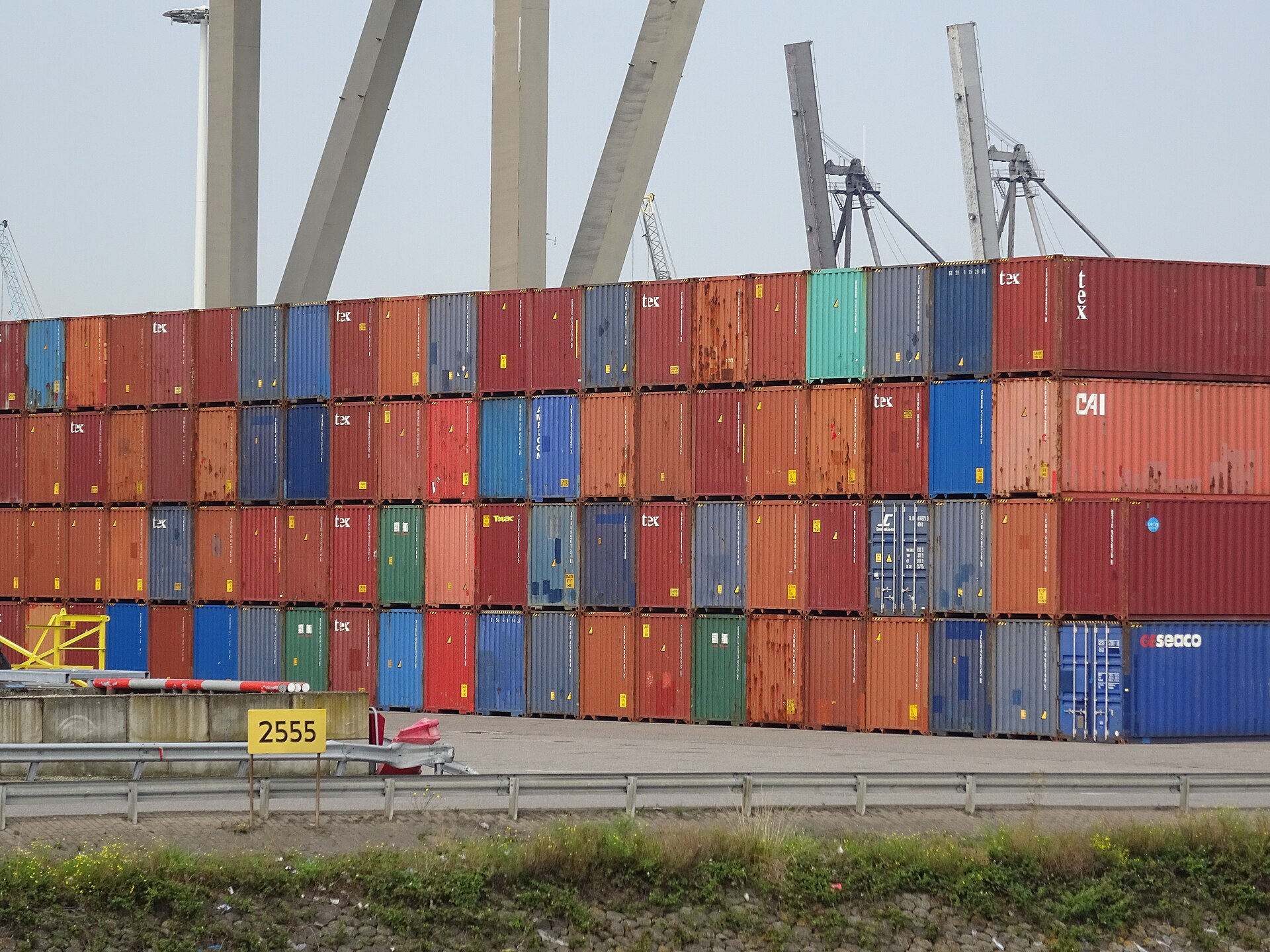
When a container comes off a ship or train, it does not deliver itself. Drayage carriers pull it from the terminal and haul it to a warehouse, a distribution center, or a transload facility where its contents move onto the next mode. Every import and many domestic intermodal shipments include a drayage leg.
Why timing is everything
Ports assign a Last Free Day (LFD)—the deadline to pick up your container before storage charges begin. Miss it and demurrage (at the port) and per-diem (for holding the container too long) fees pile up quickly. These charges are entirely avoidable, but only if someone is watching the clock.
Keeping fees off your invoice
Staying ahead of drayage fees comes down to visibility and coordination.
- Track containers in real time so you never miss an LFD.
- Secure drayage capacity early at high-volume ports.
- Coordinate the next leg so the container keeps moving, not sitting.
- Return empties promptly to stop per-diem charges.
A team that knows the terminals
Ports are complex, fast-moving environments, and each has its own quirks. With capacity at every major US port and rail yard and 24/7 tracking, we keep your containers moving and those avoidable fees off your bottom line—so drayage stops being the leg that trips up your supply chain.

Written by
Carlos R.