Cost-Effective Long-Haul
Rail moves freight over long distances at a lower cost per mile than over-the-road.
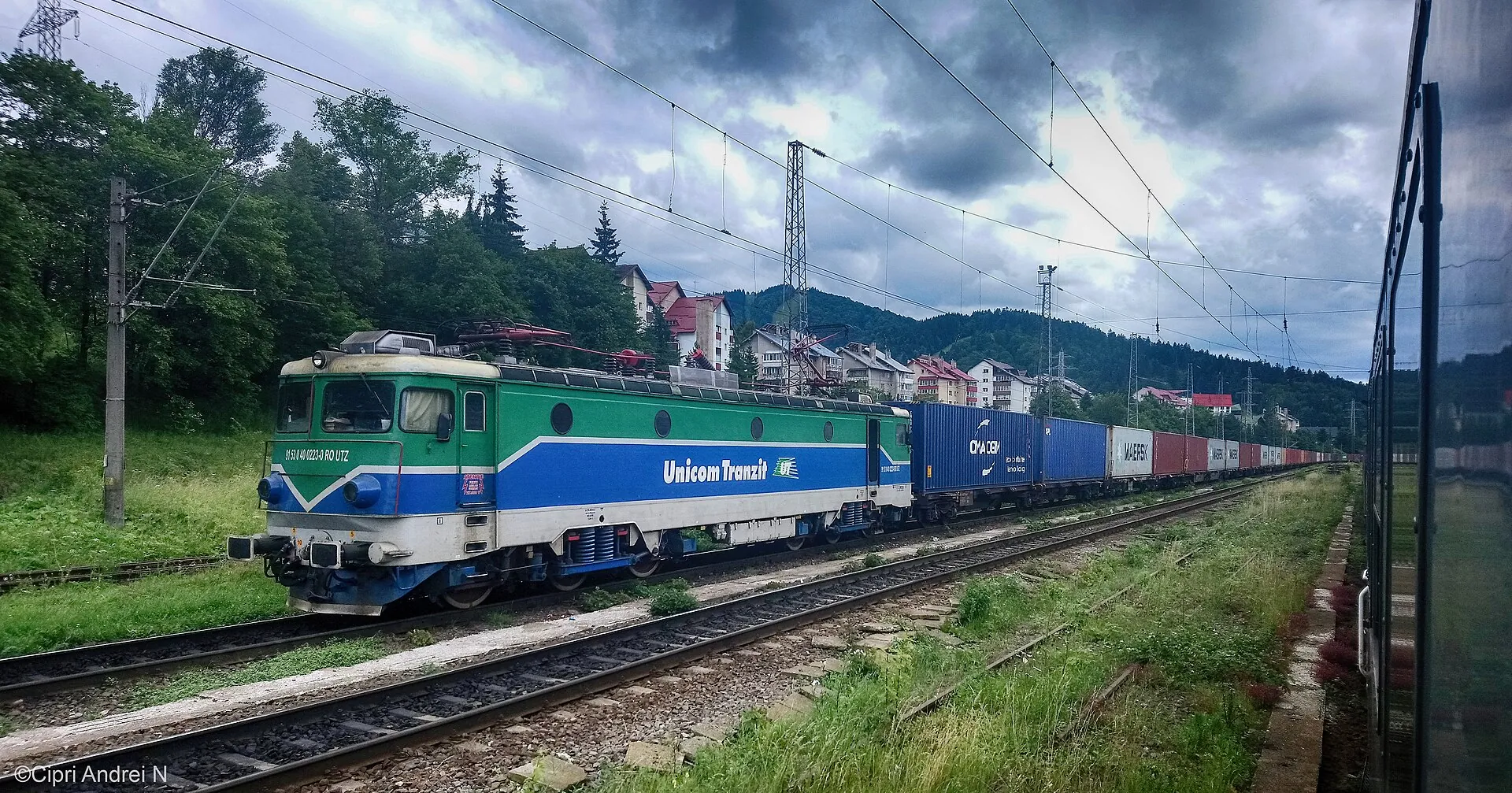
Cost-effective, high-capacity long hauls—intermodal rail combined with drayage for seamless door-to-door delivery.
Get Started
Quote and schedule your LTL, truckload and expedited shipments at the best rates.
Why Rail
When volume is high and distance is long, rail delivers unbeatable economics.
Rail moves freight over long distances at a lower cost per mile than over-the-road.
A single train replaces hundreds of trucks—ideal for high-volume and bulk freight.
Intermodal rail is one of the most fuel-efficient ways to move freight at scale.
Rail Services
Containers on flatcars—seamless door-to-door moves combining rail and truck.
Your trailer rides the rail for the long haul, then finishes by road.
Transfer freight between rail and truck at strategically located facilities.
Efficient rail solutions for grain, aggregates, chemicals and raw materials.
Custom Quote
Tell us about your shipping needs and our team will build a tailored solution.
How It Works
Tell us your lane, commodity and volume—we handle the routing.
We combine rail and drayage into one seamless door-to-door move.
Freight is loaded, railed the long haul, and transferred to truck.
Drayage closes the last mile—tracked door to door the whole way.
FAQ
Intermodal moves your freight in a container or trailer that travels by more than one mode on a single journey: by truck to the rail yard, by train for the long haul, and by truck again for final delivery. The freight stays in the same container the whole way.
COFC (container on flatcar) puts shipping containers on rail flatcars. TOFC (trailer on flatcar) puts a whole truck trailer on the train for the long haul, then a truck finishes the trip by road. We offer both.
Rail usually costs less per mile than over-the-road trucking on long distances and high, steady volumes. For short hauls or very urgent freight, trucking is usually the better choice.
Rail typically takes longer than a direct truck, because of rail yard handling and train schedules. It suits freight with some flexibility in delivery date, where the lower cost per mile matters more.
Transloading moves freight between rail and truck, for example from a railcar into a trailer, at a facility near the destination. It lets you use rail for the long haul even if the final stop has no rail access.
Yes. Intermodal rail is one of the most fuel-efficient ways to move freight at scale, so it produces lower emissions per ton-mile than trucking alone.
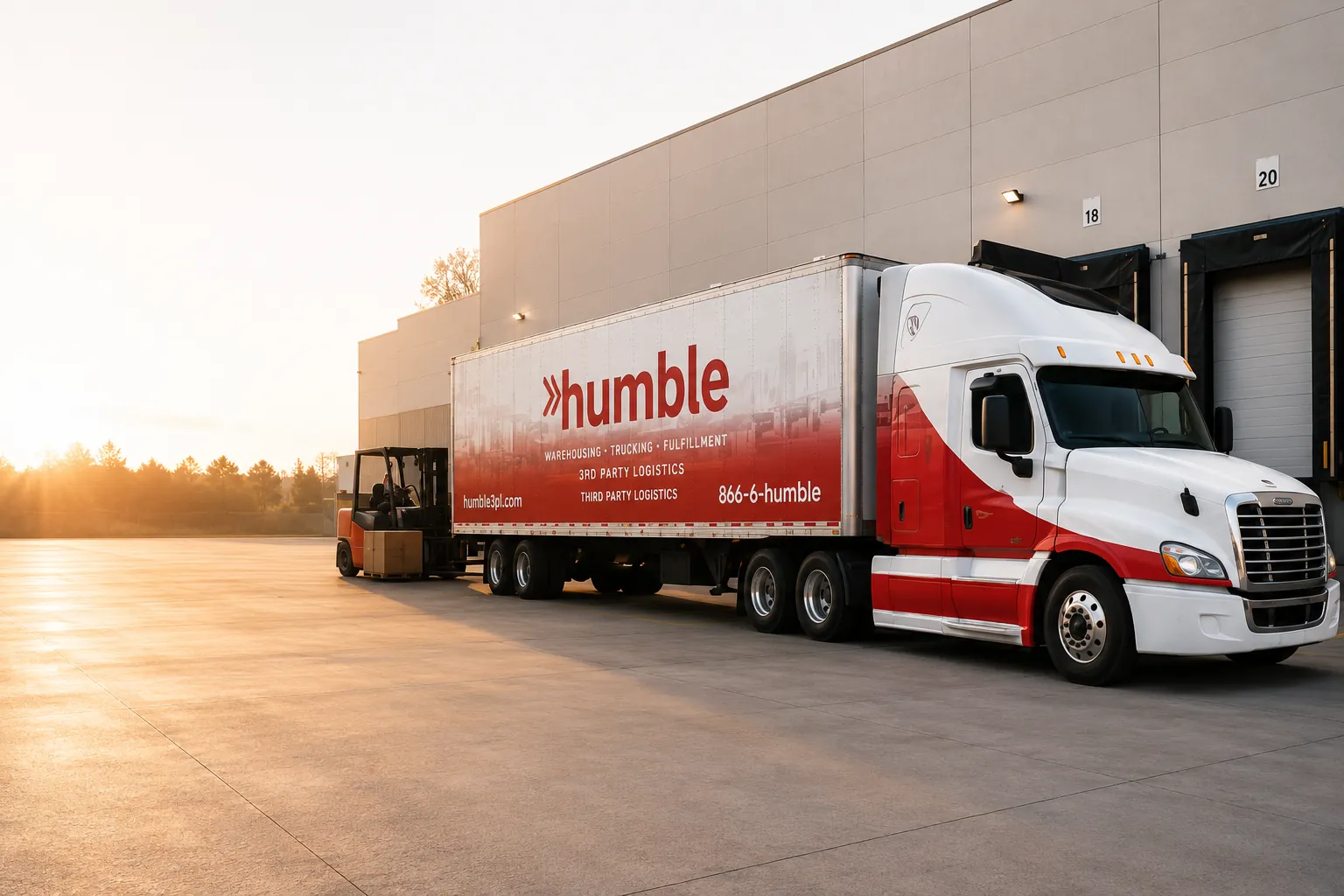
Get your instant quote in seconds and ship with confidence.